Richard Mabey: The Powerful Journey of a Nature Writer Who Transformed the Way People See the Natural World
How a British Author, Environmental Thinker, and Wildlife Advocate Turned Plants, Landscapes, and Ecology Into Inspiring Stories of Discovery

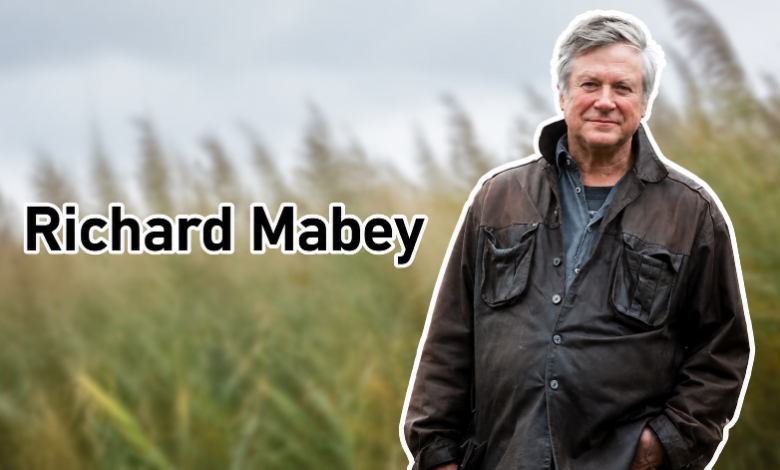
Introduction
Richard Mabey is one of Britain’s most influential nature writers, authors, and environmental thinkers. Through his books, journalism, and public discussions, he has changed the way people understand plants, wildlife, landscapes, and the relationship between humans and nature. His writing combines scientific knowledge with history, culture, and personal experiences, making environmental subjects meaningful for a wide audience.
His journey was not built on fame or commercial success but on curiosity, research, and a lifelong connection with the natural world. While many people overlook ordinary plants and forgotten landscapes, Richard Mabey has shown that every part of nature has a story. His work highlights both the beauty of the environment and the serious challenges caused by human impact on ecosystems.
Quick Bio of Richard Mabey
| Category | Details |
|---|---|
| Full Name | Richard Mabey |
| Date of Birth | 20 February 1941 |
| Birth Place | England |
| Nationality | British |
| Profession | Nature Writer, Author, Journalist, Broadcaster |
| Famous For | Modern nature writing and environmental literature |
| Education | University of Oxford |
| University | St Catherine’s College, Oxford |
| Career Field | Nature Writing, Ecology, Environmental Awareness |
| Famous Books | Food for Free, The Unofficial Countryside, Flora Britannica, Nature Cure |
| Partner | Polly Lavender |
| Main Topics | Plants, Wildlife, Landscapes, Conservation |
| Accent | British English |
| Net Worth | Not publicly available |
| Salary | Not publicly available |
Early Life and Connection With Nature
Richard Mabey was born in England in 1941 and developed a strong connection with the countryside from an early age. His childhood experiences exploring natural landscapes, plants, and wildlife created the foundation for his future career as a nature writer. The environment around him encouraged curiosity and observation, which later became important elements of his writing style.
Growing up with an interest in the natural world helped him understand that nature is not only about scientific facts but also about memories, traditions, and human experiences. This approach became a defining feature of his work, allowing readers to see plants and landscapes from a deeper perspective.
Education and Academic Background
Richard Mabey studied at the University of Oxford, attending St Catherine’s College. His education developed his analytical thinking, research abilities, and understanding of society and culture. Although his academic studies were not focused specifically on environmental science, his personal interest in nature continued to grow throughout his life.
His ability to combine knowledge from different areas helped him create a unique style of environmental writing. He connected literature, history, ecology, and human experiences to explain the importance of nature in everyday life.
Beginning of Career as a Writer
Before becoming a full-time author, Richard Mabey worked in education and publishing. His experience as a lecturer and editor helped him develop strong communication and research skills that later became valuable in his writing career.
In the 1970s, he moved toward full-time writing and began producing books that explored plants, wildlife, and landscapes. His early career helped establish him as a new voice in British nature writing, focusing not only on scientific information but also on storytelling and cultural connections.
Rise as a Leading Nature Writer
Richard Mabey became widely recognized because of his ability to make nature understandable and interesting for everyday readers. His books explored the hidden importance of plants, forgotten landscapes, and the connections between people and the environment.
Unlike traditional environmental writing that often focused only on scientific details, his work included history, folklore, personal reflection, and social observations. This approach helped create a stronger emotional connection between readers and the natural world.
Food for Free: A Landmark Nature Book
One of Richard Mabey’s most famous books is “Food for Free,” first published in 1972. The book introduced readers to edible wild plants and encouraged a greater understanding of natural resources available in the environment.
The success of this book helped increase interest in foraging, sustainable living, and traditional plant knowledge. It became an important work in environmental literature because it showed that nature provides valuable resources when people understand and respect it.
The Unofficial Countryside and Hidden Nature
Richard Mabey’s book “The Unofficial Countryside” became another important contribution to nature writing. The book challenged the idea that nature only exists in remote forests or untouched wilderness areas.
He showed that wildlife can survive in unexpected places, including cities, abandoned areas, and ordinary landscapes. This message encouraged people to look more carefully at their surroundings and recognize the importance of protecting local ecosystems.
Flora Britannica and Plant Heritage
Published in 1996, “Flora Britannica” became one of Richard Mabey’s most respected works. The book explored British plants through science, history, folklore, traditions, and personal stories.
Instead of presenting plants only as biological subjects, he showed how they are connected with human culture and everyday life. The book became a valuable record of Britain’s botanical heritage and increased appreciation for native plant species.
Nature Cure and Personal Challenges
In “Nature Cure,” Richard Mabey shared his personal experience of dealing with depression and how reconnecting with nature influenced his recovery. The book combined personal storytelling with reflections on landscapes, gardens, and the healing qualities of the natural world.
The positive message of the book showed how nature can support emotional wellbeing and creativity. However, it also highlighted the difficult reality of mental health struggles and the challenges people face during periods of personal hardship.
Journalism and Broadcasting Career
Alongside his books, Richard Mabey has contributed articles to respected publications and participated in radio and television programs about nature, wildlife, and environmental topics. His journalism helped bring ecological discussions to a broader audience.
Through broadcasting and public communication, he explained complex environmental issues in an accessible way. His ability to connect scientific ideas with everyday experiences made him an important voice in environmental education.
Environmental Work and Conservation Influence
Richard Mabey has contributed to environmental awareness through his writing and involvement in conservation discussions. His work has encouraged people to understand biodiversity, protect natural habitats, and appreciate the importance of plants and wildlife.
His approach to conservation focuses not only on protecting nature but also on developing a deeper cultural relationship with the environment. He believes that people protect what they understand and value.
Income Sources and Professional Work
Richard Mabey’s exact net worth and salary are not publicly available. His professional income has mainly come from his long career as an author, journalist, broadcaster, and environmental writer.
His sources of income include book royalties, publishing projects, journalism work, broadcasting activities, and speaking engagements. His decades of successful writing have made him one of the respected figures in British nature literature.
Business Ventures and Companies
Richard Mabey is primarily known as a writer and environmental thinker rather than a business entrepreneur. There are no major companies or commercial ventures publicly associated with his name.
His professional activities have focused mainly on literature, environmental communication, research, and education. His influence comes from ideas and storytelling rather than traditional business ownership.
Complete Career Overview and Achievements
Richard Mabey’s career covers several decades of influential work in nature writing. He began with publishing and education, later becoming a full-time author who explored the relationship between humans and the natural world.
His achievements include creating internationally respected books, increasing environmental awareness, and inspiring new generations of writers and conservation supporters. His work has helped make nature writing an important part of modern literature.
Latest Work and Current Activities
Richard Mabey continues to contribute to discussions about nature, ecology, gardens, and environmental change. His later books continue exploring themes such as biodiversity, landscapes, ageing, and humanity’s relationship with the environment.
His current influence remains strong because environmental challenges such as climate change and habitat loss have increased public interest in understanding nature. His writing continues to encourage respect and responsibility toward the natural world.
Legacy of Richard Mabey
Richard Mabey’s legacy is based on changing how people view plants, wildlife, and landscapes. He showed that nature is not separate from human life but deeply connected with culture, history, and wellbeing.
As one of Britain’s most respected nature writers, he has inspired readers, environmentalists, and writers around the world. His work continues to promote biodiversity awareness and a stronger appreciation for the natural environment.
Conclusion
Richard Mabey’s life and career demonstrate the powerful impact of curiosity, knowledge, and a deep connection with nature. Through his books, journalism, and environmental work, he transformed ordinary plants and landscapes into meaningful stories that educate and inspire.
His journey also shows that protecting nature requires more than scientific research; it requires understanding, appreciation, and emotional connection. His contribution to nature writing remains a lasting example of how words can influence the way people see and protect the world around them.
Frequently Asked Questions (FAQ)
Who is Richard Mabey?
Richard Mabey is a British nature writer, author, journalist, and environmental thinker known for his books about plants, wildlife, and landscapes.
What is Richard Mabey famous for?
He is famous for books including “Food for Free,” “The Unofficial Countryside,” “Flora Britannica,” and “Nature Cure.”
When was Richard Mabey born?
Richard Mabey was born on 20 February 1941 in England.
What subjects does Richard Mabey write about?
He writes about nature, plants, ecology, wildlife, conservation, and the relationship between humans and the environment.
What is Richard Mabey’s contribution to nature conservation?
He has helped increase awareness about biodiversity and environmental protection through his books, journalism, and public communication.